
قالب نوک مته HSS یا کاربید تنگستن: کدام را انتخاب کنیم؟
چارچوب انتخاب ماده قالب از روی ثبات نقشه، طول نوبت تولید، وضعیت مفتول و ماشین و هزینه ابزار به ازای پیچ سالم؛ بررسی علت عمر کوتاه پیش از تغییر ماده.
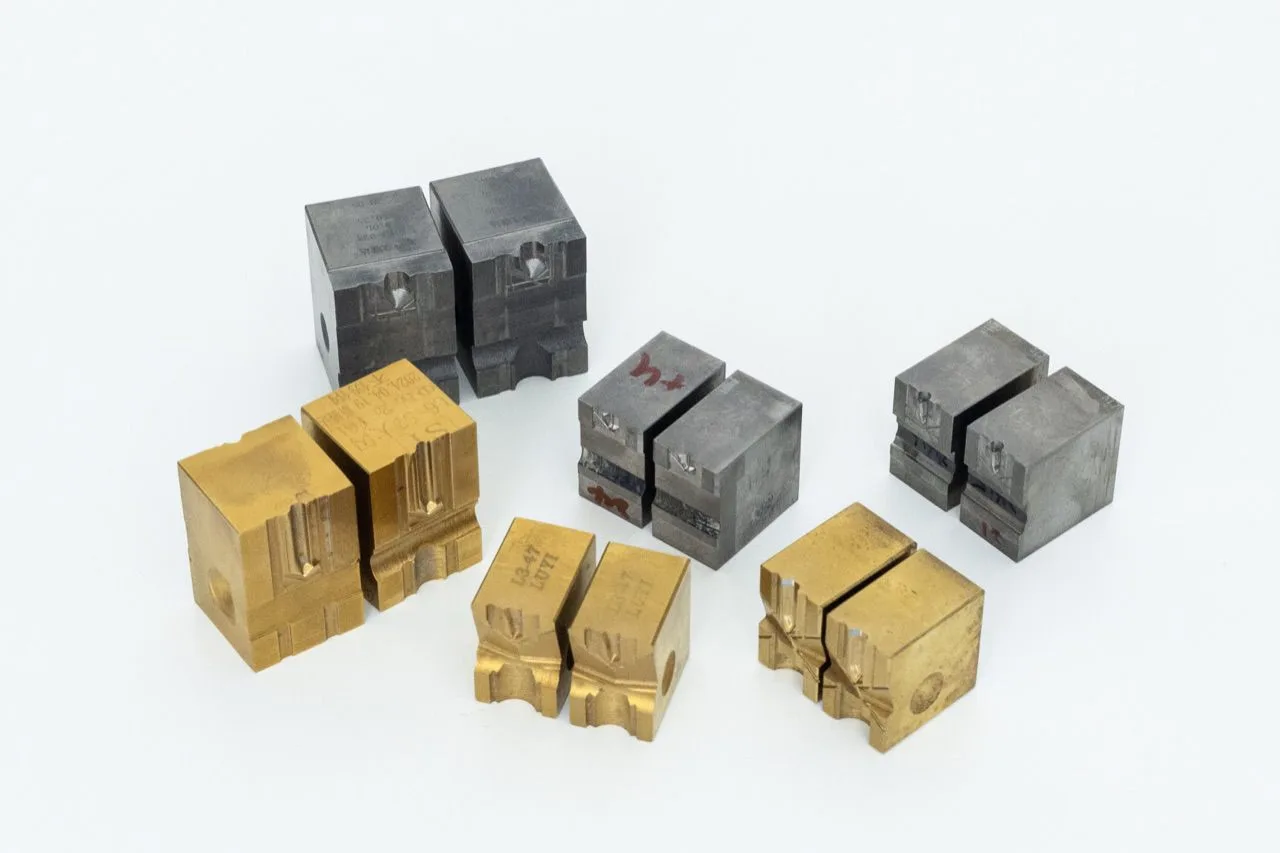
انتخاب ماده قالب فقط پرسش درباره عمر طولانیتر نیست. تولیدکننده باید شرایط واقعی را مشخص کند:
- آیا اندازه و شکل نوک هنوز آزمایشی است؟
- نقشهها چند بار تغییر میکنند؟
- تولید کوتاه است یا پیوسته؟
- کدام مفتول یا بلانک شکل داده میشود؟
- قالب چند بار تعویض میشود؟
- عمر فعلی پایدار و قابل پیشبینی است؟
HSS و کاربید ممکن است در شرایط متفاوت مناسب باشند. پرسش تصمیم این است که کدام ماده، اقتصاد ابزار بهتری برای تولید شما دارد؟
پاسخ اولیه: HSS یا کاربید؟
| وضعیت تولید | HSS | کاربید تنگستن |
|---|---|---|
| نمونهسازی | اغلب عملی | معمولاً پس از تأیید نقشه بررسی شود |
| اندازه جدید | گزینه آزمایشی مناسب | وابسته به برنامه تولید |
| بچ کوچک | اغلب عملی | وابسته به عمر مورد نیاز |
| تغییر مکرر نقشه | اغلب عملی | نیازمند ارزیابی |
| نوبت کوتاه | اغلب عملی | نیازمند ارزیابی |
| مشخصات ثابت | قابل استفاده | اغلب قابل بررسی |
| تولید طولانی | قابل استفاده | اغلب قابل بررسی |
| تیراژ بالا | قابل استفاده | اغلب قابل بررسی |
| تعویض زیاد | علت را بررسی کنید | پس از تثبیت فرایند ارزیابی شود |
| نیاز به عمر بیشتر | به فرایند وابسته | گرید و نتیجه واقعی ارزیابی شود |
HSS فقط برای تیراژ کم نیست و کاربید انتخاب خودکار هر خط پرتیراژ نیست. حجم یکی از عوامل است. مفتول، ماشین، همراستایی، تنظیم و عمر واقعی توصیه را تغییر میدهند.
چه زمانی قالب HSS منطقی است؟
وقتی فرایند هنوز انعطاف لازم دارد یا نقشه نهایی تأیید نشده است، هزینه اولیه کمتر میتواند مزیت باشد، به شرط برآوردهشدن کیفیت.
۱. نمونهسازی یا اندازه جدید
در آزمون اندازه و هندسه جدید، نیاز نهایی ممکن است تغییر کند. سرمایهگذاری فوری روی ابزار با هزینه بالاتر همیشه لازم نیست. HSS میتواند برای تأیید هندسه پیچ، تنظیم ماشین، ثبات تولید و نیاز واقعی ابزار استفاده شود. پس از این دادهها تصمیم بگیرید راهحل بلندعمرتر توجیه دارد یا خیر.
۲. بچ کوچک یا نوبت کوتاه
اگر تولید قبل از مصرف عمر بالقوه قالب متوقف میشود، بیشترین عمر ممکن است معیار اصلی نباشد. HSS میتواند بین هزینه و نیاز تعادل بدهد. این موضوع مجوز کاهش کیفیت نیست؛ نمونه باید همان الزامات محصول را پاس کند.
۳. تغییر مکرر مشخصات
برخی کارخانهها تعداد زیادی اندازه را در دورههای کوتاه تولید میکنند. فقط تعداد تغییر ماشین مهم نیست؛ هر قالب قبل از تغییر بعدی واقعاً چند قطعه تولید خواهد کرد؟ اگر این مقدار کم است، مزیت عمر بیشتر ممکن است استفاده نشود و HSS همچنان عملی بماند.
چه زمانی کاربید منطقی است؟
کاربید وقتی جذابتر میشود که تولید پایدار، تکرارپذیر و بلندمدت است؛ باید گرید واقعی و خطر لبپریدگی را نیز بررسی کرد.
۱. مشخصات ثابت و تأییدشده
اگر محصول تأیید شده و ادامه تولید پیشبینی میشود، قالب را میتوان بارها استفاده کرد و فقط به دلیل تغییر محصول کنار نمیرود. در این وضعیت فرصت استفاده از مقاومت سایشی بیشتر فراهم میشود.
۲. تولید طولانی یا پرتیراژ
قیمت خرید تنها جزء هزینه نیست. عمر واقعی، تعداد قطعات سالم، تعداد تعویض، زمان تغییر ابزار و توقف تولید را محاسبه کنید. اگر کاربید در آزمون تعداد قطعات خوب بیشتری بدهد، هزینه اولیه بالاتر ممکن است توجیه شود. این نتیجه باید اندازهگیری شود، نه فرض.
۳. تعویض ابزار به تولید آسیب میزند
تعویض شامل توقف، زمان اپراتور، تنظیم، وقفه و تغییرپذیری پس از شروع دوباره است. وقتی این عوامل سهم زیادی از هزینه دارند، مادهای که تعویض را کم کند میتواند اقتصاد بهتری بدهد. علت تعویض باید روشن باشد؛ شکست ناشی از همراستایی با خرید ماده سختتر لزوماً حل نمیشود.
فقط قیمت قالب را مقایسه نکنید
قالب ارزانتر الزاماً تولید ارزانتر نمیدهد. معیار مفید:
هزینه ابزار به ازای پیچ سالم = کل هزینه مرتبط با ابزار ÷ تعداد کل پیچهای قابل قبول
هزینه مرتبط میتواند شامل خرید، تعداد تعویض، توقف، بازسازی یا سنگزنی مجدد در صورت امکان و حمل یا برگشت باشد. دامنه محاسبه را برای هر دو گزینه یکسان نگه دارید.
قالب A: قیمت کمتر، عمر کوتاهتر و تعویض بیشتر.
قالب B: قیمت بیشتر، عمر بلندتر و تعویض کمتر.
از روی قیمت، A ارزانتر دیده میشود. اگر B واقعاً خروجی سالم بیشتر و توقف کمتر بدهد، هزینه هر پیچ ممکن است پایینتر باشد. نقطه سربهسر در هر کارخانه متفاوت است؛ حجم واقعی و عملکرد واقعی از قیمت یک قالب مهمترند.
عمر کوتاه؟ ابتدا ماده را تغییر ندهید
تعویض HSS با کاربید همه علتها را برطرف نمیکند. کوتاهی غیرمنتظره میتواند از فرایند باشد.
وضعیت ماشین
سایش، لقی، لنگی یا حرکت ناپایدار بار وارد بر ابزار را تغییر میدهد. ماشین و ابزار را در شرایط موفق قبلی مقایسه کنید.
همراستایی قالب
نصب و همراستایی نادرست، تماس نامتقارن و سایش غیرعادی ایجاد میکند. موقعیت، سطح نشستن و نگهدارنده باید بررسی شوند.
ماده مفتول یا بلانک
گرید، سختی، سطح و ثبات بچ روی بار اثر دارند. گواهی و ویژگیهای واقعی را با بچ موفق مقایسه کنید.
تنظیم تولید
سرعت، روانکاری، تنظیم ماشین و ثبات فرایند بر عمر مؤثرند. ابتدا علت تفاوت از انتظار را پیدا کنید؛ سپس تصمیم بگیرید تغییر ماده پاسخ مناسب است یا اقدام دیگری لازم است.
چارچوب عملی انتخاب HSS و کاربید
پیش از ماده، تطابق طراحی قالب با پیچ، ماشین و نیاز تولید را تأیید کنید.
گام ۱ — مشخصات پیچ ثابت است؟
- خیر: نمونه، نقشه جدید یا تغییر زیاد؛ HSS اغلب قابل بررسی است.
- بله: به گام دوم بروید.
گام ۲ — محصول طولانیمدت یا پرتیراژ است؟
- خیر: نوبت کوتاه یا سفارش گاهبهگاه؛ HSS ممکن است عملی بماند.
- بله: گام سوم را بررسی کنید.
گام ۳ — عمر و تعویض سهم مهمی در هزینه دارند؟
- بله: کاربید را آزمایش و هزینه قطعه سالم را مقایسه کنید.
- خیر: هر دو گزینه ممکناند؛ از حجم، عمر و هزینه واقعی تصمیم بگیرید.
یک بررسی اضافی
اگر عمر غیرمنتظره کوتاه است، پیش از تغییر ماده، ماشین، همراستایی، مفتول، روانکاری و تنظیم را بررسی کنید. این چارچوب ساده است و شرایط واقعی میتواند نتیجه را تغییر دهد.
چه اطلاعاتی برای سازنده قالب بفرستیم؟
اندازه پیچ بهتنهایی معمولاً کافی نیست. اطلاعات زیر ارزیابی را دقیقتر میکند.
۱. مشخصات پیچ
استاندارد و اندازه، نقشه، نمونه موجود، هندسه نوک و ابعاد یا عکس قالب قبلی را تا حد امکان ارائه کنید.
۲. ماده مفتول یا بلانک
گرید، سختی، وضعیت سطح و اطلاعات مرتبط را ارسال کنید. ماده شکلدادهشده را از ورق هدف سوراخکاری جدا کنید.
۳. نیاز تولید
مشخص کنید نمونه، بچ کوچک، تولید تکراری یا پیوسته است. مقدار تقریبی و طول هر نوبت نیز کمک میکند.
۴. عمر فعلی
ماده ابزار، خروجی سالم هر قالب، تعداد تعویض، سایش یا شکست غیرعادی و مشکلی که میخواهید حل کنید را گزارش کنید.
۵. ماشین و نصب
مدل ماشین، ابعاد قالب موجود، محفظه نصب و تصاویر نگهدارنده به ارزیابی سازگاری و ماده کمک میکنند.
تصمیم نهایی درباره ماده
برای همه خطوط یک ماده برتر وجود ندارد. HSS هنگام نمونهسازی، مشخصات متغیر، نوبت کوتاه، چند اندازه در دورههای کمحجم و محدودیت سرمایه اولیه منطقی است. کاربید در مشخصات ثابت، تولید طولانی، حجم زیاد و هزینه قابل توجه تعویض جذابتر میشود، به شرط تأیید نتیجه.
قالب را جزئی از کل فرایند ببینید. هزینه ابزار به ازای پیچ سالم را مقایسه کنید. برای جزئیات گرید، کبالت، آلیاژ HSS و پوشش، راهنمای انتخاب ماده را بخوانید.
برای انتخاب کمک میخواهید؟
اندازه پیچ + ماده مفتول یا بلانک + حجم تولید + عمر فعلی را ارسال کنید. نقشه، نمونه، عکس ابزار و اطلاعات ماشین در صورت دسترسی مفیدند.
ZLD Precision Mold قالب HSS و کاربید تنگستن برای تولید پیچ سرمتهای میسازد. طرح استاندارد یا سفارشی را میتوان بر اساس نقشه، نمونه و نیاز تولید بررسی کرد.
نیاز خود را ارسال کنید یا برای فرستادن مستقیم عکس و نقشه از دکمه WhatsApp همین صفحه استفاده کنید.
پرسشهای متداول
آیا کاربید همیشه بهتر از HSS است؟
خیر. کاربید برای تولید پایدار و طولانی قابل ارزیابی است؛ HSS برای نمونه، نوبت کوتاه یا نقشه در حال تغییر میتواند عملی باشد. ماده مفتول، ماشین، تنظیم، کیفیت لازم و اقتصاد واقعی هم باید بررسی شوند.
اگر کاربید عمر بیشتری بدهد چرا HSS استفاده کنیم؟
بیشترین عمر هدف اصلی هر سفارش نیست. در نمونه یا نوبت کوتاه، انعطاف و هزینه اولیه ابزار ممکن است مهمتر باشند و همه ظرفیت عمر ابزار گرانتر مصرف نشود.
با عمر کوتاه HSS باید فوری کاربید انتخاب کرد؟
نه. ابتدا ماشین، همراستایی، تغییر مفتول، روانکاری و تنظیم را بررسی کنید. اگر فرایند پایدار است و تعویض همچنان هزینه مهمی دارد، کاربید را با آزمون مقایسهای ارزیابی کنید.
هر وقت آماده بودید
برای پیچ خود پیشنهاد قالب بگیرید
آنچه را همین حالا دارید بفرستید. تیم مهندسی ما میتواند اطلاعات را بررسی کند و پیش از قیمتدهی در تعیین مشخصات مناسب قالب نوک مته کمک کند.